Introduction
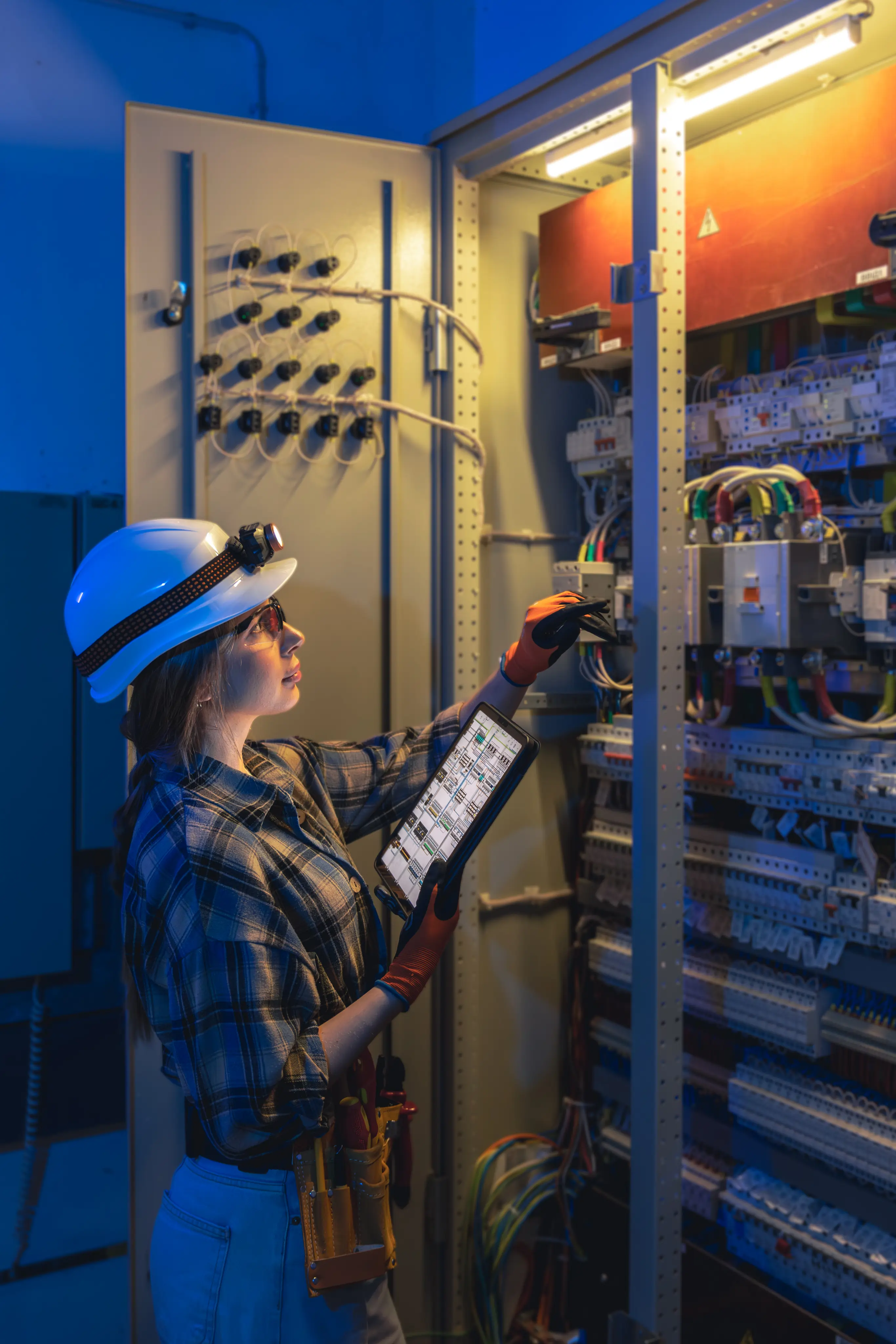
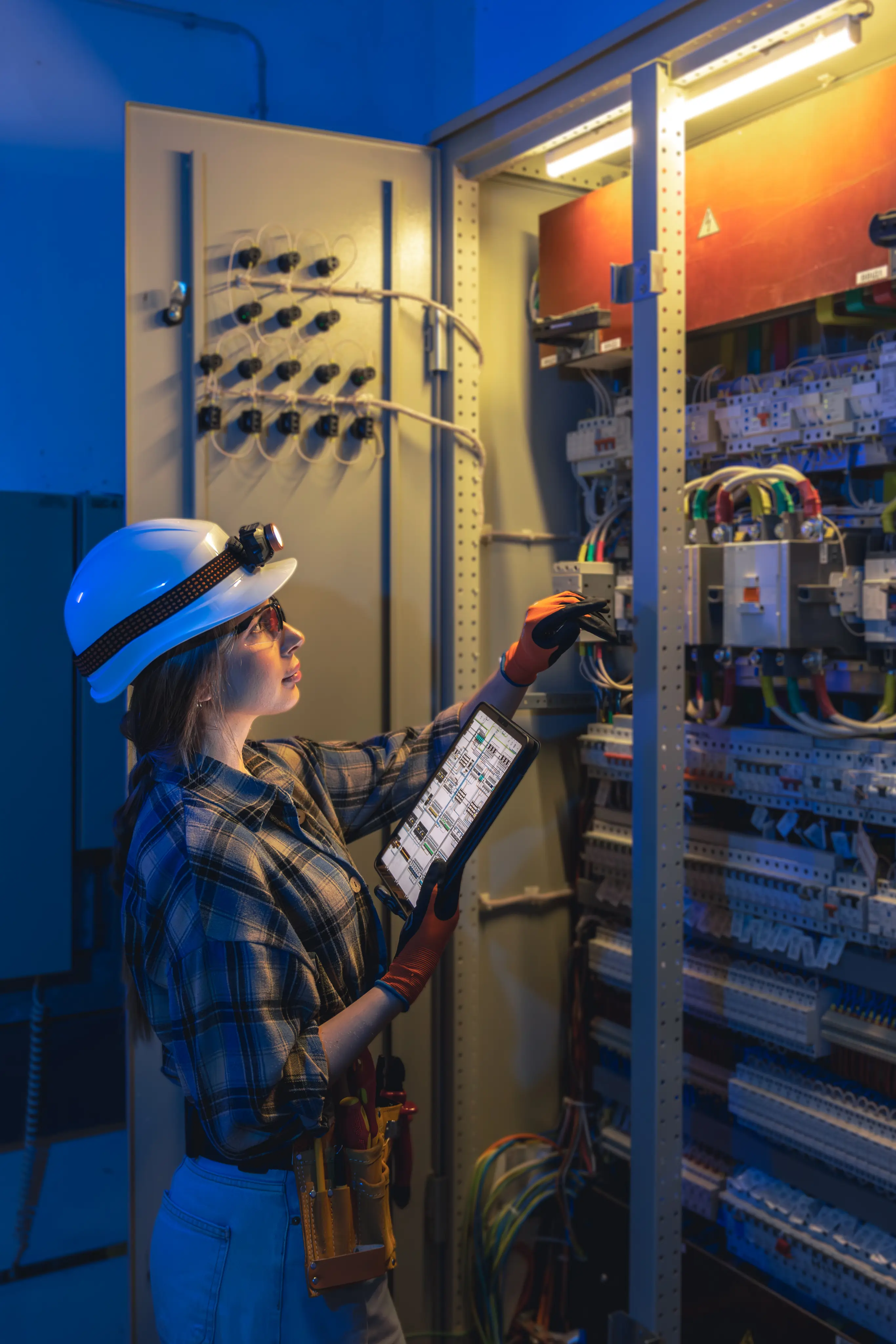
Industrial automation has transformed the manufacturing landscape by enabling faster production, improved accuracy, and reduced human intervention. From programmable logic controllers (PLCs) to advanced robotic systems, automation technologies are helping industries achieve higher efficiency and maintain consistent product quality.
As businesses face increasing pressure to improve productivity while reducing costs, automation has become a key investment for long-term growth.
What is Industrial Automation?
Industrial automation refers to the use of control systems, machinery, and software to perform manufacturing and industrial processes with minimal human involvement.
Automation systems typically include:
- Programmable Logic Controllers (PLCs)
- Human Machine Interfaces (HMIs)
- Sensors and Actuators
- Industrial Robots
- Supervisory Control and Data Acquisition (SCADA) Systems
These technologies work together to monitor, control, and optimize production processes.
Key Benefits of Industrial Automation
Increased Productivity
Automated systems operate continuously with minimal downtime, enabling higher production output compared to manual operations.
Improved Product Quality
Automation ensures consistent manufacturing processes, reducing errors and variations in product quality.
Enhanced Workplace Safety
By automating hazardous tasks, organizations can significantly reduce workplace accidents and improve employee safety.
Reduced Operational Costs
Although automation requires initial investment, businesses benefit from lower labor costs, reduced waste, and improved energy efficiency over time.
Common Automation Components
Programmable Logic Controllers (PLCs)
PLCs serve as the brain of industrial automation systems. They receive input signals, process information, and control machinery based on programmed instructions.
Human Machine Interfaces (HMIs)
HMIs provide operators with a user-friendly interface to monitor and control industrial processes in real time.
SCADA Systems
SCADA systems collect and analyze data from multiple devices, allowing centralized monitoring and decision-making.
Industrial Robots
Robotic systems are commonly used for assembly, welding, packaging, and material handling tasks.
Challenges in Automation Implementation
While automation offers significant benefits, successful implementation requires careful planning.
Common challenges include:
- High initial investment costs
- Employee training requirements
- System integration complexities
- Maintenance and support considerations
- Cybersecurity risks
Organizations should develop a clear automation strategy to maximize return on investment.
Future Trends in Industrial Automation
Several emerging technologies are shaping the future of industrial automation:
- Artificial Intelligence (AI)
- Machine Learning
- Industrial Internet of Things (IIoT)
- Predictive Maintenance
- Digital Twins
- Cloud-Based Monitoring Systems
Conclusion
Industrial automation is no longer a luxury but a necessity for organizations seeking sustainable growth and operational excellence. By integrating advanced control systems, data analytics, and intelligent machinery, businesses can improve efficiency, enhance safety, and remain competitive in an increasingly demanding marketplace.
Companies that embrace automation today will be better positioned to meet the challenges and opportunities of tomorrow's industrial landscape.